Our product picks are editor-tested, expert-approved. We may earn a commission through links on our site. Why Trust Us?

Photo: Jason Speakman
INEVITABLY, EVEN THE coolest, most unique tech gadget becomes a day-to-day object. That’s the goal, at least. You want to be so familiar with your devices that they become second nature to use, an accustomed shape you can grasp for in the dark or pull out of your pocket and handle without a second thought. If you never get there, you’re not actually using it enough to be worth the investment.
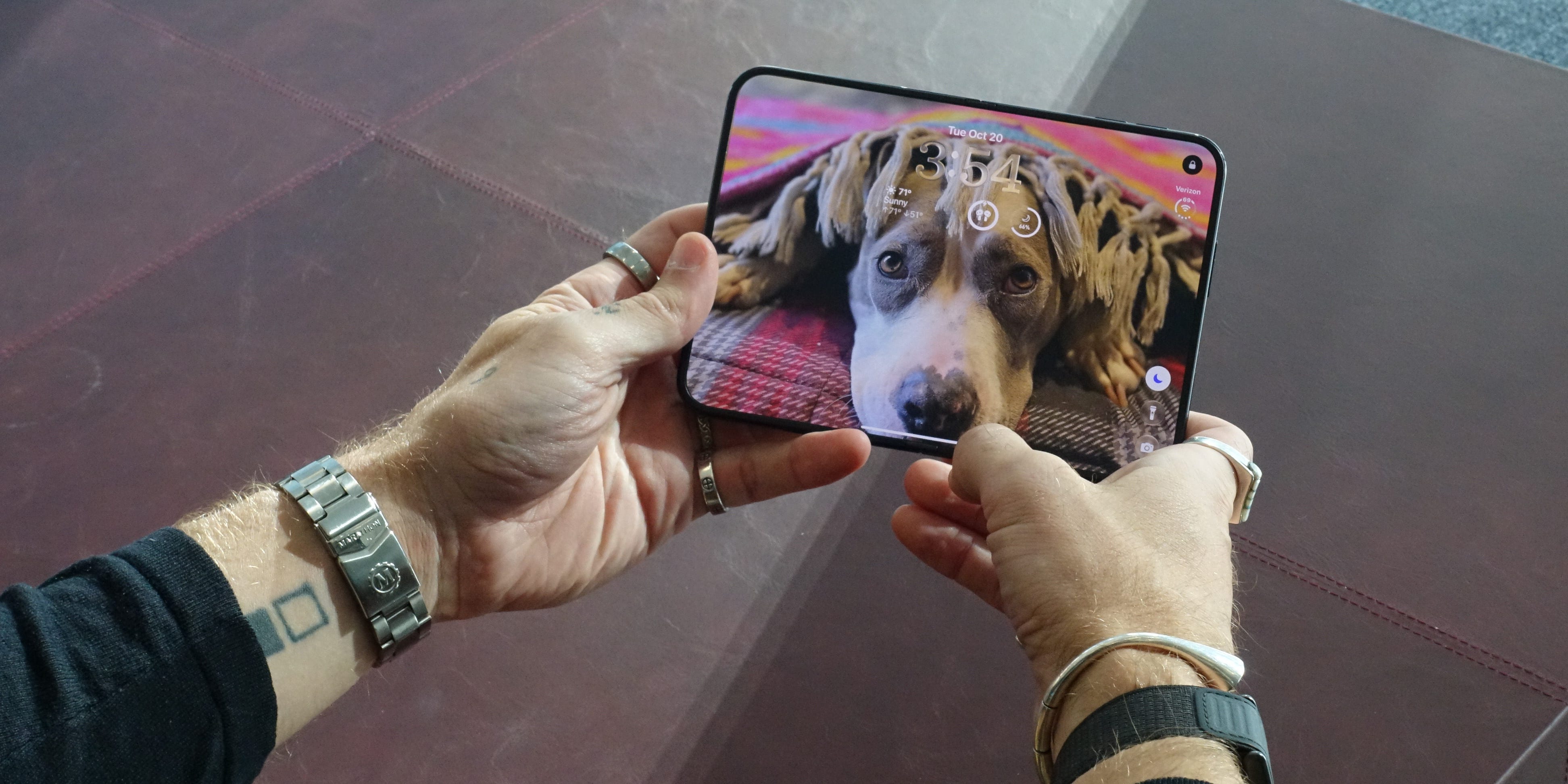
For the first day or two out of my time testing the iPhone Duo, Apple’s debut foldable phone, I doubted I would ever get to that point of comfort. The Duo felt so different than the iPhone 18 Pro Max I had been using for the last month — and from every other iPhone since my first, a 5S in 2013. Reaching for the Duo with its squat dimensions felt awkward, the outer display was harder to scan at a glance, and I didn’t feel compelled to unfold and use the inner displays much at all. Was all this phone even useful?
But at some point on day three, something clicked. I stopped automatically holding the phone up to unlock it with my face (the Duo brings back Apple’s fingerprint Touch ID, more on that in a bit). I flipped out the big screen unconsciously to switch through my apps. I still had reservations about exactly how useful this was compared to a slab-style smartphone, but it felt less like a novelty and more like something I could depend on.
All that led to one of the most engaging test periods I’ve had in my decade reviewing tech. The iPhone Duo really made me think about more than just its specs, camera, and place in the larger Apple ecosystem — I was reconsidering how and why I use smartphones.